
Give Your Clothes a Second Life
HOW IT WORKS
Clean out your closet. Fund your community.
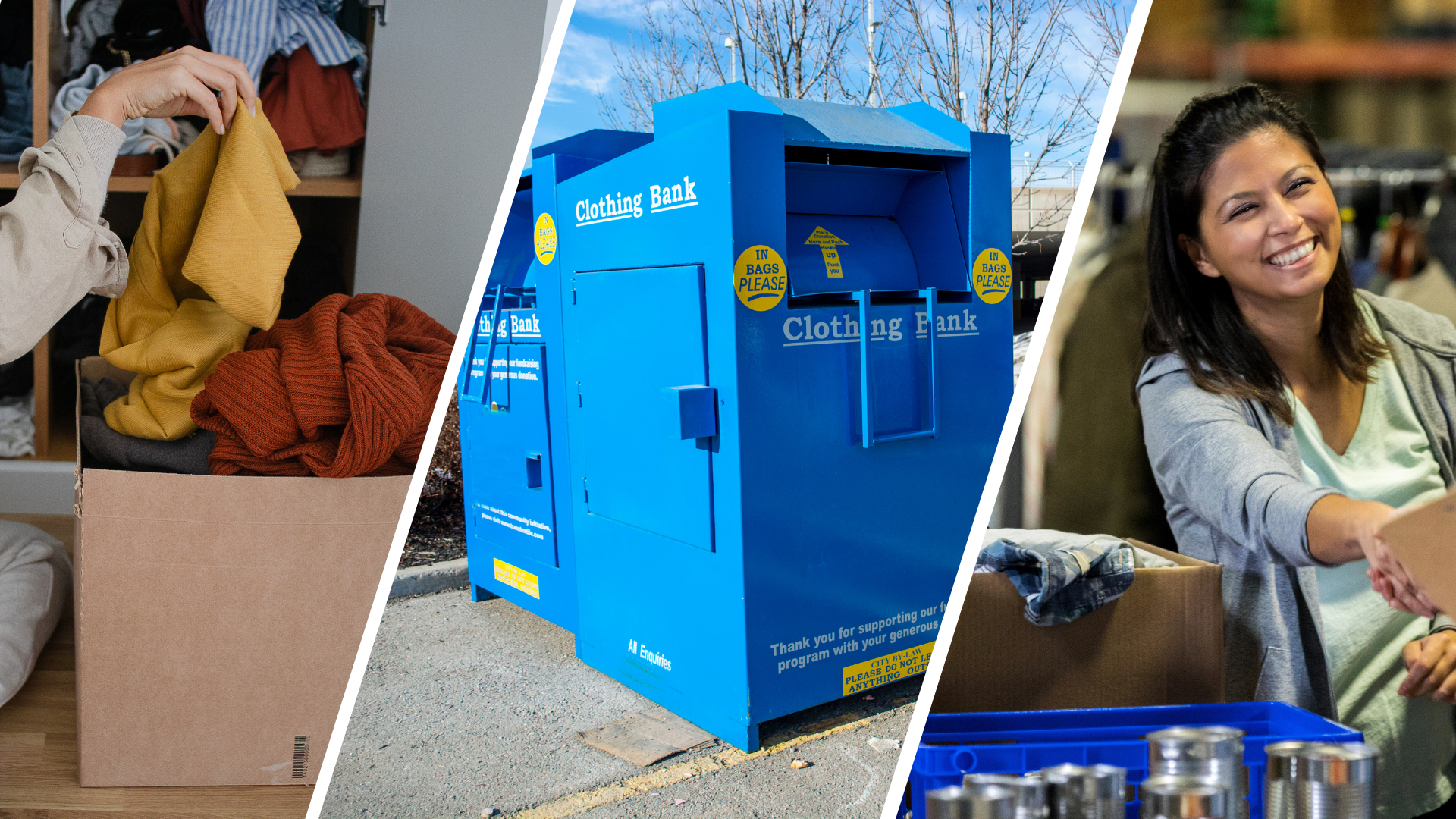
Every bag you drop in an ART bin is sorted and given a second life — worn again, repurposed or recycled — while the proceeds fund the schools, first responders and charities that host our bins across New York, New Jersey, Connecticut and Pennsylvania. Nothing you donate is burned or buried.

Clean, dry clothing, shoes, bedding, handbags, hats and linens go in a tied plastic bag. Wet or mildewed items cannot be reused, so please keep everything dry.
Bag It
Look for the blue ART bin at shopping centers, schools, firehouses and municipal sites in your community. Bins are emptied twice a week, so there is always room.
Drop It Off
We Collect
Our drivers service every bin on a fixed schedule and keep the site clean and tidy. Everything collected is sorted for reuse first, then recycling.
It Lives On
Wearable items go on to new owners; the rest becomes wiping cloths, insulation and fiber. Proceeds go straight back to the organization that hosts the bin.
Not accepted: rugs, carpets, pillows and wet or mildewed textiles. Everything else — from a single t-shirt to an entire wardrobe — is welcome.
-
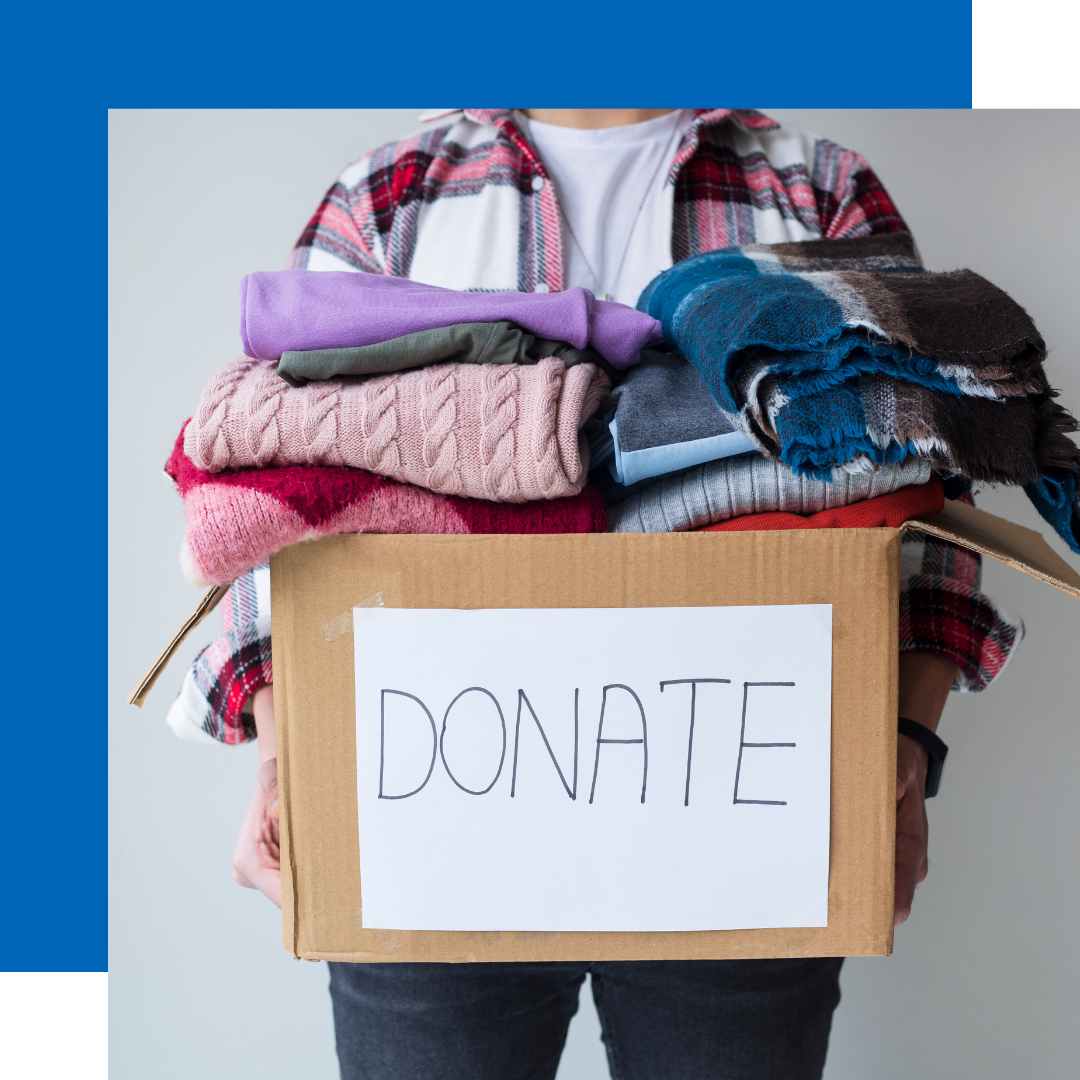
What We Collect
We accept and collect a wide range of textiles, including clean clothing, bedding, shoes, jewelry, handbags, hats, tablecloths, sheets, and towels. However, please note that we do not accept rugs.
-
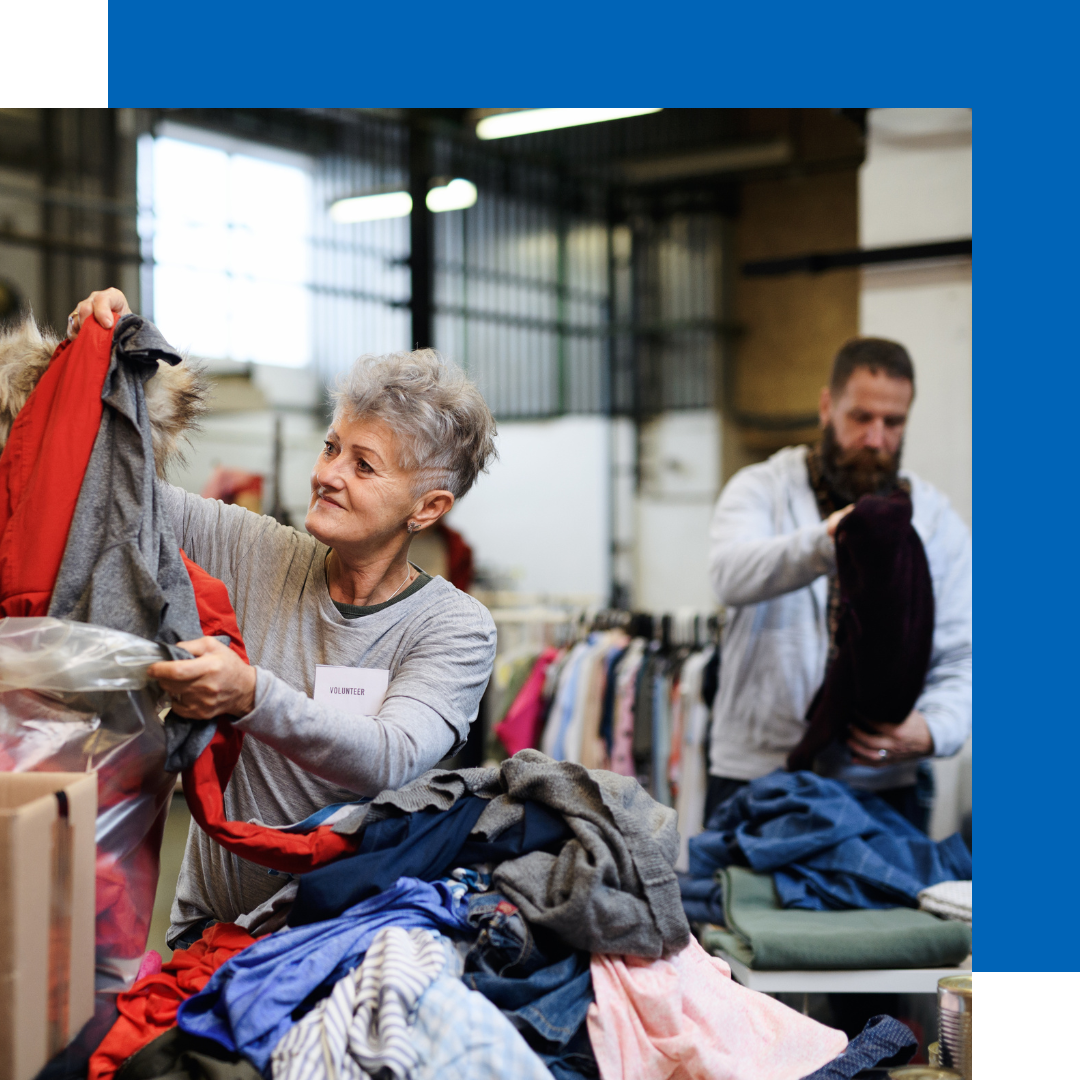
Who We Help
Our initiatives support various community-focused organizations such as school districts, police and fire departments, religious groups, and others where government assistance is limited or unavailable.